The development trend of artificial intelligence in the next decade will feature multi-dimensional breakthroughs and deep integration, including technological architecture upgrades and a revolution in quantum computing and computing power. Quantum algorithms will accelerate complex computational processes such as molecular simulation, shortening drug development cycles from years to days. The widespread adoption of dedicated neural network chips (such as TPUs/NPUs) will enable edge computing devices to achieve real-time AI processing, supporting real-time decision-making scenarios such as autonomous driving. A leap forward in multimodal cognition will occur as native multimodal models break through the limitations of single modalities, achieving the fusion of vision, speech, touch, and other senses.
Quantum Computing and the Revolution in Computing Power
Quantum algorithms will accelerate complex computational processes such as molecular simulation, shortening drug development cycles from years to days. The widespread adoption of dedicated neural network chips (such as TPUs/NPUs) will enable edge computing devices to achieve real-time AI processing, supporting real-time decision-making scenarios such as autonomous driving.
A Leap Forward in Multimodal Cognition
Native multimodal models break through the limitations of single modalities, achieving the fusion of vision, speech, touch, and other senses. For example, in the medical field, simultaneously analyzing medical images, genetic data, and patient medical history can improve the efficiency of personalized treatment plan development by 90%. Enhanced cross-modal interaction capabilities enable precise completion of complex tasks such as image generation and semantic association.
Algorithm Paradigm Revolution
Self-play reinforcement learning propels large models into complex reasoning stages, breaking through the boundaries of traditional logical reasoning in fields such as science and mathematics. Neural symbolic reasoning technology, combining logical deduction and data learning, significantly improves decision-making credibility. Application Ecosystem Reconstruction and AI Agent Industrialization: AI agents with autonomous task execution capabilities will be first implemented in the B2B sector, covering scenarios such as e-commerce marketing automation and enterprise decision support. Due to the high credibility requirements in home scenarios, large-scale application still needs to overcome the technical bottleneck of interpretability.
Ultra-Personalized Service Popularization
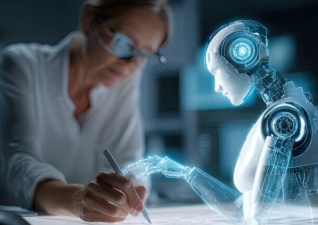
AI agents deeply integrate user behavior data to provide customized product recommendations, health management, and other services. Enterprises can increase customer satisfaction by more than 40% by dynamically adjusting sales strategies. Integration of Physical and Biological Intelligence: Autonomous driving robots combine environmental perception and real-time path planning; factory robot density is expected to exceed 500 units per 10,000 people. Brain-computer interface technology is driving AI-assisted healthcare into a new stage, enabling bidirectional interaction between neural signals and intelligent devices.
Deepening Social Impact and Transformation of Employment Structure
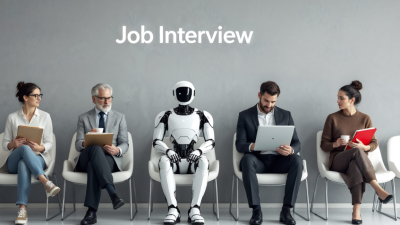
Intelligent automation is taking over more than 60% of repetitive jobs, and human resources are shifting towards high-value areas such as strategic planning. It is projected that by 2035, the number of robots globally will exceed the human population, with an average of more than 10 physical/virtual assistants in the home.
Governance Challenges
A globally collaborative ethical framework needs to be established to address issues such as data sovereignty and algorithmic bias. For example, combining quantum encryption technology with federated learning can achieve cross-domain data sharing while ensuring privacy. This evolutionary path exhibits a spiral-like progression: quantum computing supports algorithmic breakthroughs → multimodal models expand application boundaries → intelligent agents drive industrial restructuring → social feedback drives the coordinated development of technology and ethics.